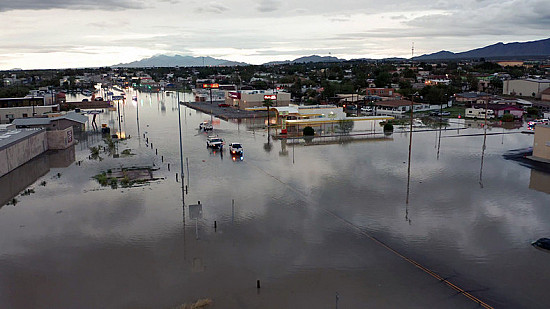
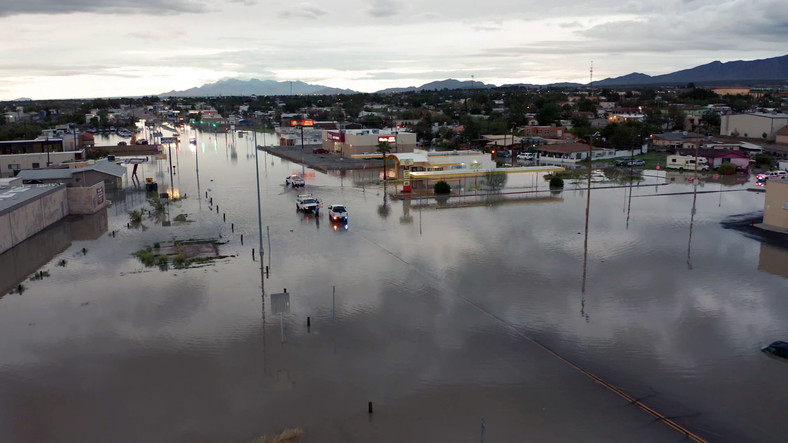
Heavy rains and sea degree rise contribute to main flooding occasions which might be one impact of local weather change. Surging water speeding into buildings typically causes speedy harms, equivalent to drowning deaths, accidents sustained whereas looking for shelter or fleeing, and hypothermia after publicity to chilly waters with no shelter or warmth.
However lengthy after information vans go away and public consideration strikes on, flooding continues to have an effect on communities in seen and fewer seen methods. Among the many much less seen threats is a better danger of respiratory well being issues like bronchial asthma and allergic reactions. Thankfully, you possibly can take steps to attenuate or keep away from flooding, or to cut back respiratory well being dangers after flooding happens.
How does flooding set off respiratory well being points?
Flooding might carry water contaminated with poisonous chemical compounds, heavy metals, pesticides, biotoxins, sewage, and water-borne pathogens into buildings. Afterward, some poisonous contaminants stay in dried sediments left behind. When disturbed by on a regular basis actions like strolling and cleansing, this turns into microscopic airborne mud. Something in that dried flood sediment — the poisonous chemical compounds, the metals, the biotoxins — is now within the air you breathe into your lungs, doubtlessly affecting your respiratory well being.
Buildings needn’t be submerged throughout flooding to spur respiratory issues. Many houses we studied after Hurricane Ida suffered water intrusion by roofs, home windows, and air flow ducts — and a few have been greater than 100 miles away from coastal areas that bore the brunt of the storm.
The expansion of mould may also have an effect on well being
One other widespread hazard is mould, a fungal progress that types and spreads on damp or decaying natural matter. Indoor mould typically grows resulting from in depth dampness, and indicators an issue with water or moisture. Damp supplies inside buildings following a flood create excellent situations for speedy mould progress.
Mildew might be discovered indoors and outdoor in all climates. It spreads by making tiny spores that float by the air to land in different areas. No indoor area is fully free from mould spores, however publicity to excessive concentrations is linked with respiratory problems equivalent to bronchial asthma, allergic rhinitis, and sinusitis. Thus, flooding impacts respiratory well being by growing the danger of publicity to greater concentrations of mould spores outdoor and indoors.
For instance, after Hurricane Katrina in New Orleans in 2005, the typical out of doors focus of mould spores in flooded areas was roughly double that of non-flooded areas, and the best concentrations of mould spores have been measured indoors. A examine on the aftermath of Hurricane Katrina and the flooding within the UK in 2007 confirmed that water injury accelerated mould progress and respiratory allergic reactions.
Kids are particularly susceptible to well being issues triggered by mould. All respiratory signs — together with bronchial asthma, bronchitis, eye irritation, and cough — occurred extra typically in houses reporting mould or dampness, in line with a examine on the respiratory well being of younger kids in 30 Canadian communities. Different analysis demonstrates that mould contributes to growth of bronchial asthma in kids.
What are you able to do to guard in opposition to the well being harms of flooding?
Our analysis in New Orleans, LA after Hurricane Ida in 2021 recognized widespread components — each in housing and flooding occasions — with nice influence on respiratory well being. Preliminary outcomes counsel two deciding components in whether or not substantial indoor mould appeared have been the age of a constructing’s roof and what number of precautionary measures individuals took after flooding from the hurricane. The influence on respiratory well being additionally assorted with flood water top, days per week spent at dwelling, and what number of precautionary measures have been taken after Ida swept by.
Knowledgeable by this and different analysis, we provide the next ideas — some to sort out earlier than flooding or heavy rains, and a few to take afterward. When you might not be capable of fully forestall flooding from hurricanes or main storms, taking these and different steps can assist.
Earlier than seasonal storms, flooding, or heavy rains begin: Defend in opposition to water intrusion
- Restore the roof, clear gutters, and seal round skylights, vent pipes, and chimneys to stop leaks. These are a number of the most susceptible elements of a constructing throughout storms and hurricanes.
- Declutter drains and empty septic tanks.
- Assemble boundaries and seal cracks in outer partitions and round home windows, to stop heavy rain and floodwater from getting into.
- Set up a sump pump to empty water from the basement, and backflow valves on sewer traces to stop water from backing up into the house.
After flooding or main rainstorms: Transfer rapidly to cut back dampness and mould progress
The Environmental Safety Company recommends limiting contact with flood water, which can have electrical hazards and dangerous substances, together with uncooked sewage. Moreover:
- Reduce your keep in flooded areas (notably after hurricanes) or buildings till they’re dry and protected.
- Verify constructing for traces of water intrusion, dampness, and mould progress instantly after flooding.
- Drain floodwater and eliminate remaining sediment.
- Take away affected porous supplies. If potential, dry them outdoor beneath daylight.
- Enhance the air flow fee by leaving all home windows and doorways open, or use a big exhaust fan to dry out the constructing as quick as potential.
- Use dehumidifiers in damp areas equivalent to basements.
- Improve the air filters in your HVAC system to at the very least MERV 13, or use moveable air cleaners with HEPA filters to cut back your publicity to airborne mould spores.
What to do for those who spot mould progress
- Put on a well-fitted N95 face masks, gloves, and rubber boots to wash.
- Clear and disinfect something that has been in touch with water utilizing cleaning soap, detergents, and/or antibacterial cleansing merchandise.
- Get rid of moldy supplies in sealed heavy-duty plastic baggage.
Taking steps like these — earlier than and after a significant storm — goes a great distance towards defending your respiratory well being.
Learn Flooding Brings Deep Bother in Harvard Medication journal to be taught extra concerning the well being hazards associated to floods.
 jiujuxiaban